
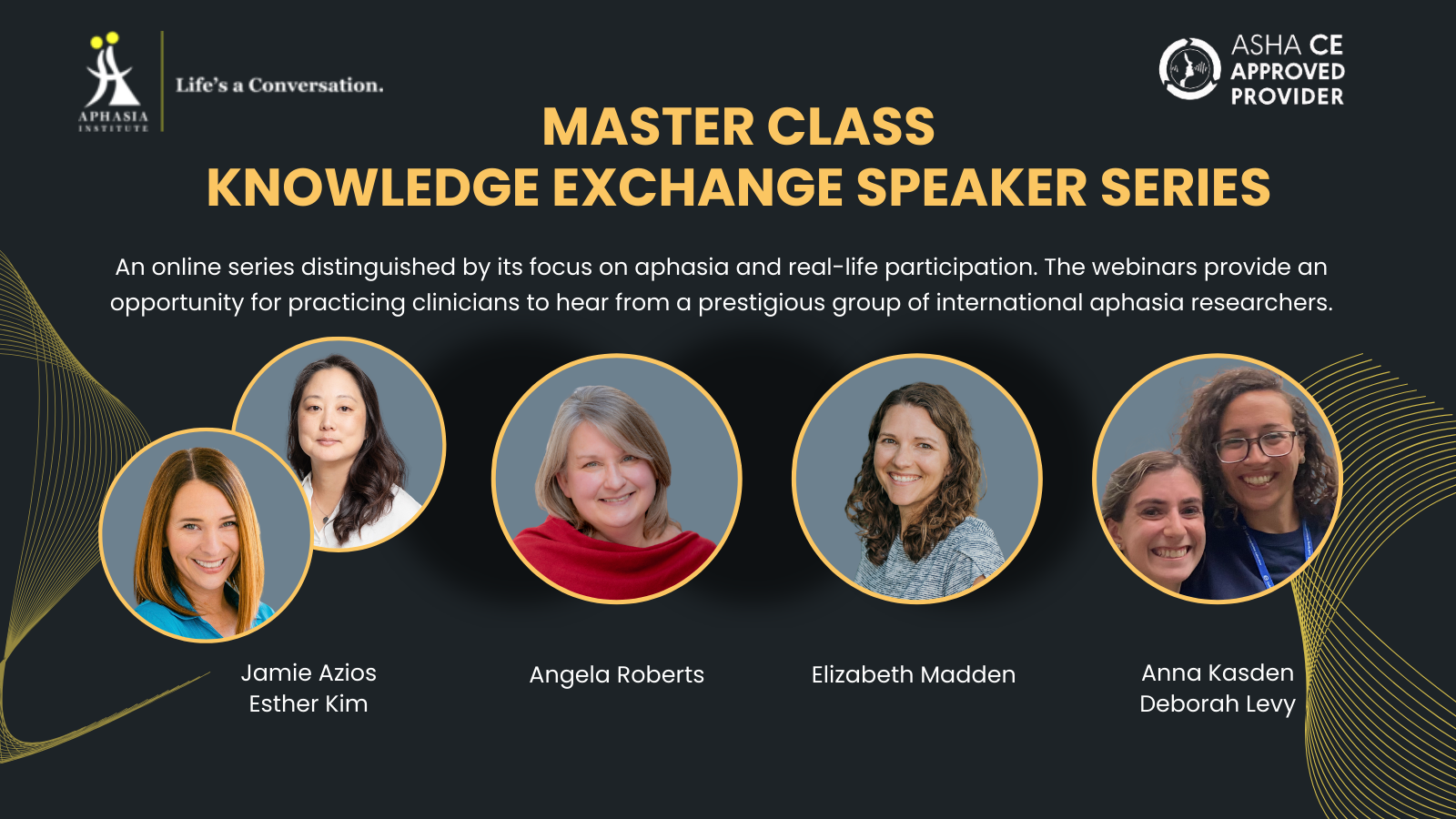
Master Class Knowledge Exchange Speaker Series – Season 24
An online series distinguished by its focus on aphasia and real-life participation. The webinars provide an opportunity for practicing clinicians to hear from a prestigious group of international aphasia researchers. Webinars will be available Live and Archive (Recorded).

specific products or clinical procedures.
Please refer to each course description for instructional level and ASHA CEUs
Date/Time:
LIVE: March 23, 2026 – 12 pm to 1 pm ET | ARCHIVE: March 24 – April 24, 2026
ASHA CEUs: 0.1 (Intermediate level)
Webinar Description
“The Wall Question” is an aphasia-friendly way to explore the impact of aphasia on one’s life. We had 103 people with aphasia answer “the Wall Question” to examine it as a standalone measure of quality of life. Responses confirmed good test-retest validity, correlated with two similar tools, and highlighted factors that individuals consider in how aphasia impacts their life.
Course Content Disclosure:
This course will mainly discuss “The Wall Question” — a one-question quality-of-life measure for which research is ongoing.
Learning Outcomes
- Discuss the importance of appropriate tools to measure the impact of aphasia on a person’s life
- Discover “the Wall Question” as a valid, reliable standalone tool for assessing quality of life in aphasia
- Discuss the potential use of “the Wall Question” as a clinical tool for framing discussions about quality of life and supporting collaborative goal-setting
Time Ordered Agenda
- 12:00pm – 12:05pm: Introduction & disclosures
- 12:05pm – 12:10pm: The importance of measuring quality of life in aphasia using validated tools
- 12:10pm – 12:20pm: The “Measuring Life with Aphasia” study
- 12:20pm – 12:25pm: Reliability, concurrent validity, and face validity of “the Wall Question”
- 12:25pm – 12:35pm: Perspectives on how people with aphasia conceptualize quality of life when answering “the Wall Question”
- 12:35pm – 12:45pm: Clinical implications of “the Wall Question” as a tool for measuring quality of life and guiding discussions about goal-setting
- 12:45pm – 1:00pm: Questions & Discussion
Meet the Presenters
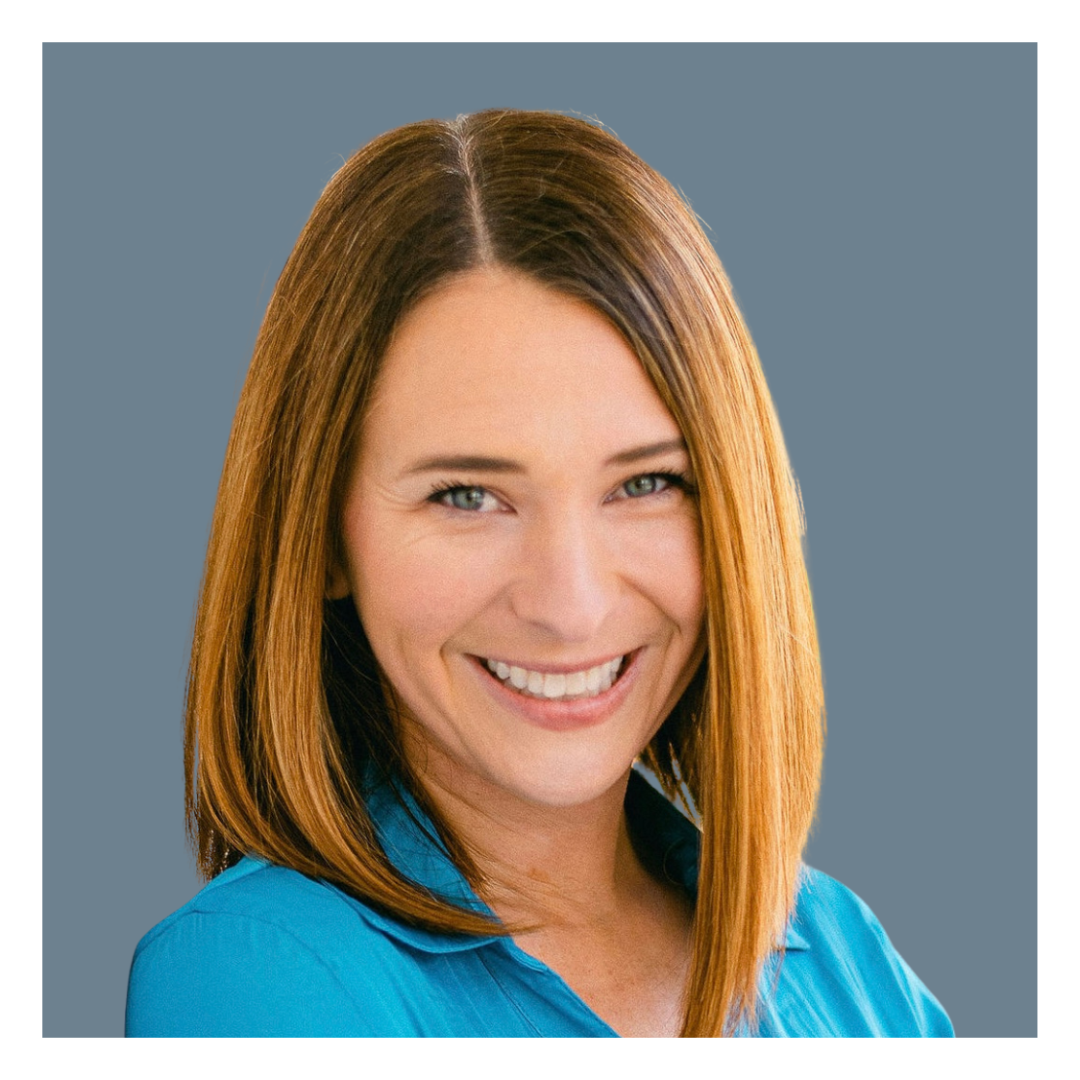
Jamie H. Azios, Ph.D., CCC-SLP is the Doris B. Hawthorne Endowed Chair in the Department of Communicative Disorders at the University of Louisiana at Lafayette. Her research focuses on understanding perspectives of people living with communication disabilities, co-constructed conversation in aphasia, and the impact of communicative environments on social participation and inclusion.
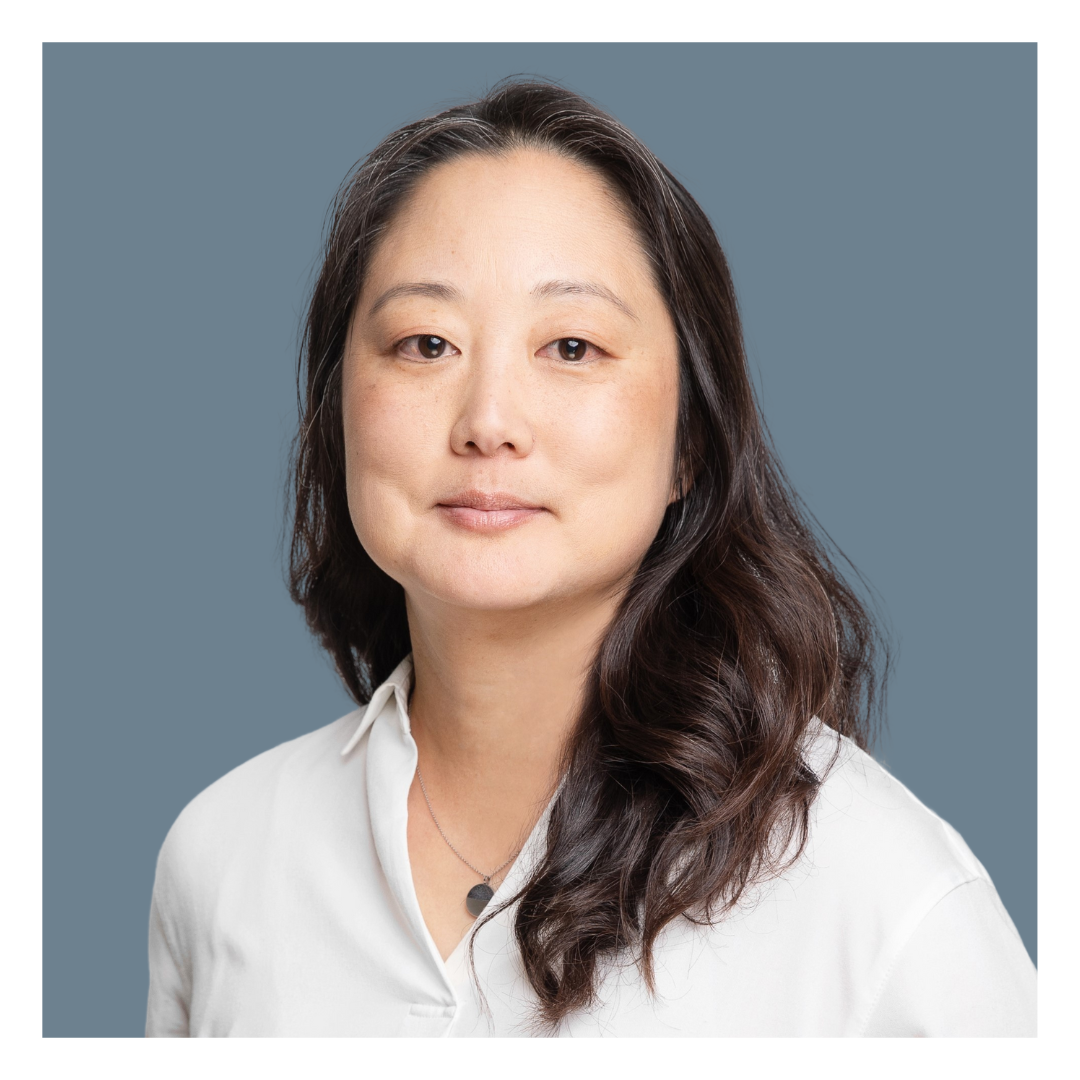
Esther S. Kim, Ph.D., CCC-SLP is Professor & Interim Dean of the Faculty of Rehabilitation Medicine at the University of Alberta. Her research focuses on facilitating interventions that increase communication accessibility and improving outcomes for people with acquired communication disorders. She is co-founder of the Alberta Aphasia Camp and the Corbett Aphasia Rehabilitation and Education program.
Disclosures
- Financial:
- Dr. Azios receives a salary from the University of Louisiana at Lafayette.
- Dr. Kim receives a salary from the University of Alberta.
- Non-Financial:
- The Aphasia Institute is a research partner on this project.
- Dr. Azios is a research associate of the Aphasia Institute.
- Dr. Kim is a research associate of the Aphasia Institute.
Date/Time:
LIVE: April 27, 2026 – 12 pm to 1 pm ET | ARCHIVE: April 28 – May 28, 2026
ASHA CEUs: 0.1 (Intermediate level)
Webinar Description
Dr. Roberts shares insights from the Communication Bridge trials, focusing on telehealth and dyadic service delivery models for PPA. We will discuss research-driven strategies for engaging care partners and prioritizing meaningful outcomes centered on dyadic goals. Attendees will learn how RCT findings inform participation-focused care that aligns with the needs of families living with PPA.
Learning Outcomes
- Analyze the efficacy of telehealth service delivery models for PPA by citing recruitment and access data from the Communication Bridge trials
- Identify evidence-based, participation-focused communication strategies (e.g., environmental modifications, partner-supported communication) that facilitate functional goal attainment within the PPA care dyad
- Differentiate between impairment-based metrics and participation-focused outcomes by utilizing data from the Communication Bridge Trials program to support goal attainment despite disease-related linguistic decline
Time Ordered Agenda
- 12:00pm – 12:05pm: Introduction and Disclosures
- 12:05pm – 12:15pm: Context – The PPA Care Gap & Overview of the Communication Bridge Clinical Trials Program
- 12:15pm – 12:22pm: The Telehealth Advantage – Feasibility & Reach, Environmental Validity, Facilitators & Barriers
- 12:22pm – 12:30pm: The Dyadic Pivot – Shifting the Unit of Care & Predictors of Success
- 12:30pm – 12:42pm: Focusing on Outcomes that Matter
- 12:42pm – 12:50pm: Clinical Translation & Future Directions
- 12:50pm – 1:00pm: Questions & Discussion
Meet the Presenter
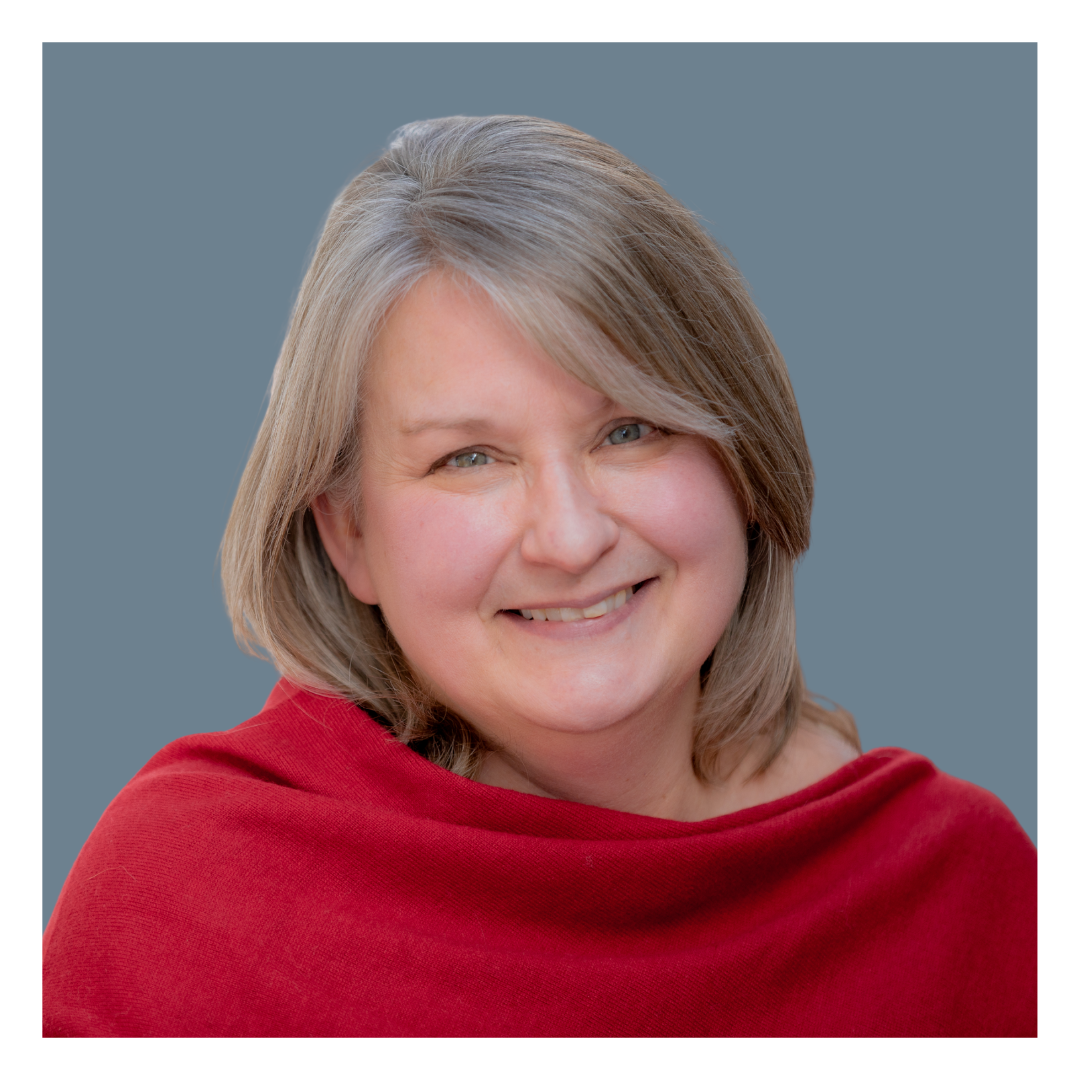
Dr. Angela Roberts is an Associate Professor at Western University, jointly appointed in Communication Sciences and Disorders and Computer Science. As a Tier-2 Canada Research Chair and SLP, she specializes in telehealth and dyadic intervention models for PPA and other dementias. She co-leads the Communication Bridge-2 trial, focusing on participation-centered strategies and digital health outcomes.
Disclosures
- Financial: Dr. Roberts receives a salary from Western University. Some of the research discussed was funded by National Institutes of Health (U.S.A.), Canadian Institutes of Health Research (CIHR, Canada), and Natural Sciences and Engineering Research Council of Canada (NSERC, Canada).
- Non-Financial: Dr. Roberts is a member of the research advisory council for Parkinson’s Canada.
Date/Time:
LIVE: May 4, 2026 12 pm – 1 pm ET | ARCHIVE: May 5 – June 5, 2026
ASHA CEUs: 0.1 (Intermediate level)
Webinar Description
This webinar discusses connections between friendship, social well-being and health, sharing studies on changes in friendship over time from the views of people with aphasia and care partners. We will discuss caregiving burden, depression and resilience impacting care partners’ friendships; resources and interventions for care partners; and invite discussion on relevant clinical experiences.
Learning Outcomes
- Describe how friendship satisfaction and friendship support can change from the acute care stage of recovery to the chronic stage of recovery for individuals with aphasia and care partners
- Examine how resilience influences social well-being and friendships for aphasia care partners
- Discuss how caregiving burden influences social well-being and friendships for aphasia care partners
Time Ordered Agenda
- 12:00pm – 12:05pm: Introduction & Disclosures
- 12:05pm – 12:10pm: Caregiving Statistics and Background
- 12:10pm – 12:25pm: Study 1 (Reported changes in friendship over time)
- 12:25pm – 12:45pm: Study 2 (Caregiving burden, depression, resilience, and friendships)
- 12:45pm – 12:50pm: Attendee activity
- 12:50pm – 1:00pm: Questions & Discussion
Meet the Presenter
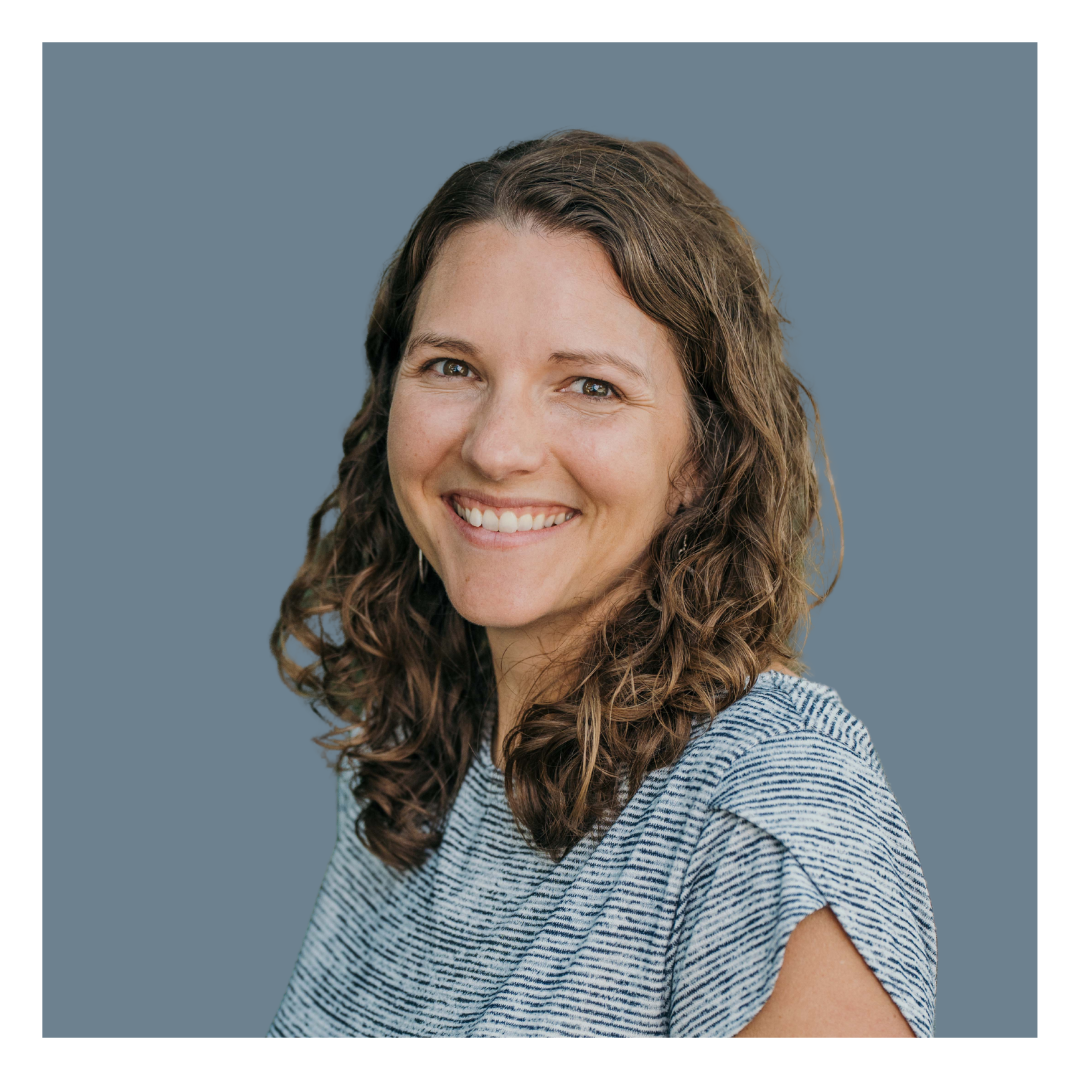
Elizabeth B. Madden, PhD, CCC-SLP is an associate professor in the School of Communication Science and Disorders at Florida State University. Her research examines outcomes of language treatments for aphasia, with a particular interest in reading. She is also dedicated to understanding and addressing psychosocial impacts of living with aphasia.
Disclosures
- Financial: Dr. Madden receives a salary from Florida State University (FSU). Some of the research discussed was funded by the FSU Council on Research and Creativity.
- Non-Financial: Dr. Madden has no non-financial disclosures.
Deborah Levy
Date/Time:
LIVE June 1, 2026 – 12:00pm to 1:00pm ET | ARCHIVE: June 2 – July 2, 2026
ASHA CEUs: 0.1 (Intermediate level)
Webinar Description
This webinar will cover the principles and steps of making accessible, aphasia-friendly summaries of research publications both “by hand” and with the aid of a prototype AI-based tool, Article Friend. We will discuss how these summaries may be used in research, clinical, and other settings for knowledge exchange and advocacy.
Learning Outcomes
- Discuss the importance of creating research materials that are accessible to individuals with aphasia and their loved ones
- Demonstrate how to create aphasia-friendly versions of scientific manuscripts, both “by hand” and with the aid of a prototype AI-based tool, Article Friend, while critically evaluating the benefits and limitations of such tools
- Describe paths forward for how aphasia-friendly research summaries can be successfully implemented in research, clinical, and other settings for knowledge exchange and advocacy
Time Ordered Agenda
- 12:00pm – 12:05pm: Introductions and disclosures
- 12:05pm – 12:15pm: Introduction to aphasia-friendly summaries of research
- 12:15pm – 12:25pm: Highlight select resources for making summaries
- 12:25pm – 12:35pm: Introduce Article Friend and walk through its benefits and limitations as a tool
- 12:35pm – 12:45pm: Discuss knowledge exchange opportunities and implementation strategies and goals for aphasia-friendly research summaries
- 12:45pm – 1:00pm: Questions & Discussion
Meet the Presenters
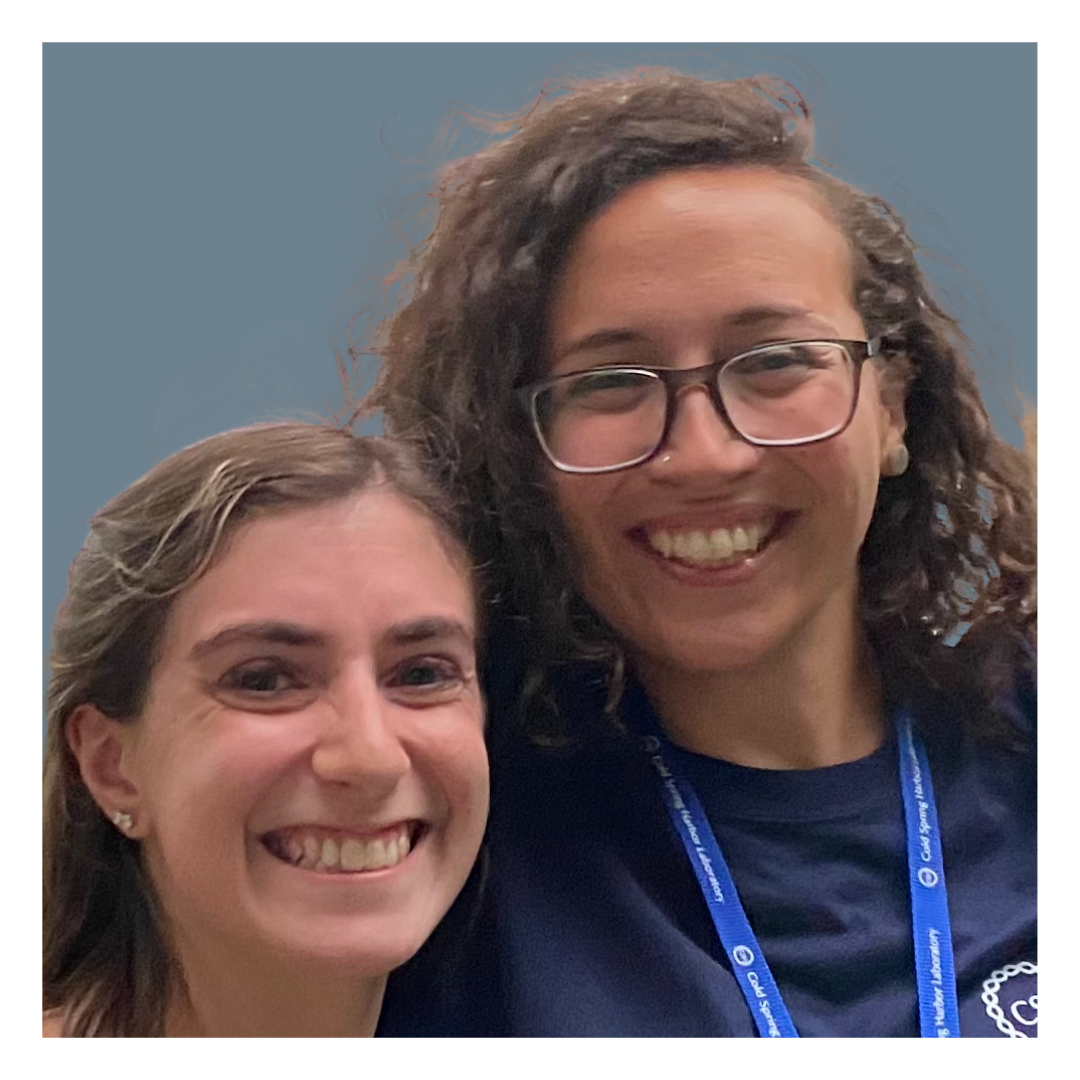
Dr. Anna Kasdan is a cognitive neuroscientist and patient advocate. Her research broadly focuses on the brain bases of music and language in individuals with aphasia, hearing loss, and Williams syndrome. Anna earned her PhD in Neuroscience from Vanderbilt University and completed postdoctoral work in the Hearing and Speech Sciences Department at Vanderbilt Medical Center.
Dr. Deborah Levy is a cognitive neuroscientist and educator specializing in neural bases of language, and is currently researching naturalistic discourse in aphasia. She also teaches neuroscience-themed research writing at Princeton University. She completed her PhD at Vanderbilt University’s Dept. of Hearing & Speech Sciences, and her postdoctoral fellowship at University of California’s Dept. of Neurosurgery.
Disclosures
- Financial:
- Dr. Kasdan has no financial disclosures to report.
- Dr. Levy receives a salary from Princeton University.
- Non-Financial:
- Dr. Kasdan is a member of the National Aphasia Association’s Professional Advisory Council.
- Dr. Levy has no non-financial disclosures.
Satisfactory completion of each webinar will require (to be reported for ASHA CEU credits*):
- Attending the webinar in full
- Submitting a webinar evaluation, which includes self-assessment of learning
*You will be required to complete an intent to earn ASHA credits at the end of each webinar
Registration Details
FEES:
Individual Registration (4 Webinars Series): $120 CAD
Group Rate for 12 Participants (4 Webinars Series): $250 CAD
Group Rate for 30 Participants (4 Webinars Series): $350 CAD
*Aphasia Institute is committed to providing universal access to all of our educational offerings. Please contact us at training@aphasia.ca or call us at 416-226-3636 if you require any accommodations.
Not receiving our email updates? Contact us at training@aphasia.ca to sign up.